Types of training courses
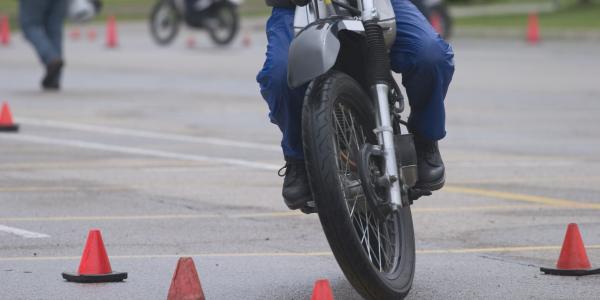
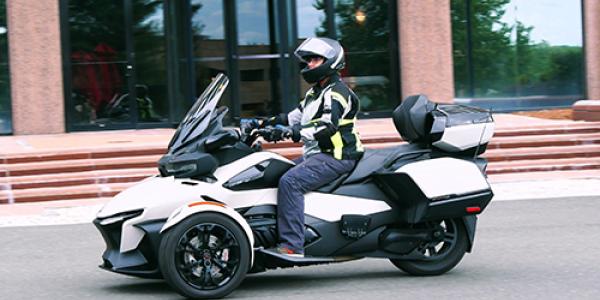
Motorcycle training schools and sidecar/trike training schools offer a variety of safety training to meet your needs and skill level:
- For motorcycles and scooters (2-wheel)
- For sidecars and trikes (3-wheel)
This course is designed for students with little or no riding experience, and lasts no more than 16 hours.
Fees
| Type of student |
Fee |
- Washington residents 18 years of age or older
- Military personnel or dependents stationed in Washington
|
$125 (subsidized) Non-subsidized fees are determined by the course provider. |
| Washington residents under the age of 18 |
$50 |
What to bring with you
You must bring all of the following to the basic rider course:
- If you’re under the age of 18, a completed and signed parental permission form (before the first riding session)
- Pen or pencil for taking notes
- Helmet that meets Department of Transportation standards (the program has some helmets for students)
- Eye protection (glasses, goggles, or face shield)
- Long-sleeved shirt or jacket
- Long pants
- Sturdy over-the-ankle shoes
- Full-fingered gloves appropriate for motorcycle use
- Foul weather gear (courses are conducted rain or shine)
- Snack/lunch and non-alcoholic beverages
- Sunblock (as needed)
Back to top
This course is designed for riders with some experience. It’s a 1-day course that can be taken using a training motorcycle or one that you provide.
Fees
| Type of student |
Fee |
- Washington residents 18 years of age or older
- Military personnel or dependents stationed in Washington
|
$125 (subsidized) Non-subsidized fees are determined by the course provider. |
| Washington residents under the age of 18 |
$50 |
What to bring with you
You must bring all of the following to intermediate rider training:
- If you’re under the age of 18, a completed and signed parental permission form (before the first riding session)
- Pen or pencil for taking notes
- Helmet that meets Department of Transportation standards (the program has some helmets for students)
- Eye protection (glasses, goggles, or face-shield)
- Long-sleeved shirt or jacket
- Long pants
- Sturdy over-the-ankle footwear
- Full-fingered gloves appropriate for motorcycle use
- Foul weather gear (courses areconducted rain or shine)
- Snack/lunch and non-alcoholic beverages
- Sunblock (as needed)
If you’re providing your own motorcycle, you must also bring:
- Proof of motorcycle insurance (insurance card)
- Your motorcycle registration
- Your instruction permit or driver license
Back to top
This course is designed for experienced riders. It’s a 1-day course that focuses on improving your street strategies, mental processing, and handling techniques. The course includes exercises in:
- Threshold braking
- Brake and evade
- Cornering adjustment (swerving and/or braking while cornering at speed)
- Decreasing radius curves
- Multiple curves
- Traffic mix and gap management
Fees
The fees are determined by the course provider. Not all training schools provide these courses. For more information about courses, see Motorcycle training schools.
What to bring with you
You must bring all of the following to the experienced rider course:
- If you’re under the age of 18, a completed and signed parental permission form (before the first riding session)
- Your own motorcycle
- Proof of motorcycle insurance (insurance card)
- Your motorcycle registration
- Your instruction permit or driver license
- Pen or pencil for taking notes
- Helmet that meets Department of Transportation standards (The program has some helmets for students.)
- Eye protection (glasses, goggles, or face-shield)
- Long-sleeved shirt or jacket
- Long pants
- Sturdy over-the-ankle footwear
- Full-fingered gloves appropriate for motorcycle use
- Foul weather gear (courses are conducted rain or shine)
- Snack/lunch and non-alcoholic beverages
- Sunblock (as needed)
Back to top
This course is designed for students with little or no riding experience, and lasts no more than 16 hours.
Fees
| Type of student |
Fee |
- Washington residents 18 years of age or older
- Military personnel or dependents stationed in Washington
|
$125 (subsidized) Non-subsidized fees are determined by the course provider. |
| Washington residents under the age of 18 |
$50 |
What to bring with you
You must bring all of the following to the basic sidecar/trike course:
- If you’re under the age of 18, a completed and signed parental permission form (before the first riding session)
- Pen or pencil for taking notes
- Helmet that meets Department of Transportation standards (the program has some helmets for students)
- Eye protection (glasses, goggles, or face shield)
- Long-sleeved shirt or jacket
- Long pants
- Sturdy over-the-ankle shoes
- Full-fingered gloves appropriate for motorcycle use
- Foul weather gear (courses are conducted rain or shine)
- Snack/lunch and non-alcoholic beverages
- Sunblock (as needed)
Back to top
This course is designed for experienced riders who provide their own sidecar or trike. It’s a 1-day course that focuses on improving your street strategies, mental processing, and handling techniques. The course includes exercises in:
- Drifting
- Cornering control
- Emergency stops
- Swerving
- Skidding
- Traffic mix and gap management
Fees
| Type of student |
Fee |
- Washington residents 18 years of age or older
- Military personnel or dependents stationed in Washington
|
$125 (subsidized) Non-subsidized fees are determined by the course provider. |
| Washington residents under the age of 18 |
$50 |
What to bring with you
You must bring all of the following to the advanced sidecar/trike course:
- If you’re under the age of 18, a completed and signed parental permission form (before the first riding session)
- Your own sidecar or trike
- Proof of insurance (insurance card)
- Your sidecar or trike registration
- Your instruction permit or driver license
- Pen or pencil for taking notes
- Helmet that meets Department of Transportation standards (the program has some helmets for students)
- Eye protection (glasses, goggles, or face shield)
- Long-sleeved shirt or jacket
- Long pants
- Sturdy over-the-ankle shoes
- Full-fingered gloves appropriate for motorcycle use
- Foul weather gear (courses are conducted rain or shine)
- Snack/lunch and non-alcoholic beverages
- Sunblock (as needed)
Back to top