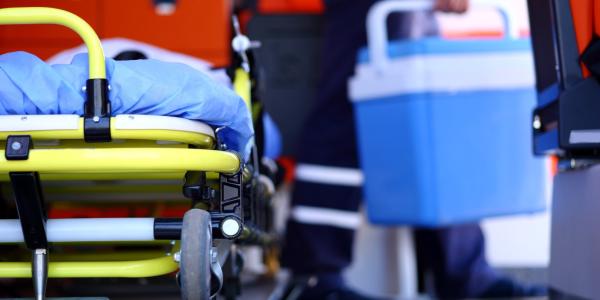
Becoming an organ donor is a decision that could save a life! Learn more about organ donation and how to sign up to become a donor.
How to register
There are 3 ways to register as an organ, eye, and tissue donor:
In person
When you apply for your driver license, instruction permit, or ID card. The donor symbol (a small heart shape) will be placed on your card and your name will be sent to the organ donor registry.
Online
Visit LifeCenter Northwest and add your name to the registry.
By mail
Send a letter with your name and address to:
3650 131st Avenue SE Suite 200
Bellevue, WA 98006
Frequently asked questions
Why should I consider becoming a donor?
One organ or tissue donor can save or enhance the lives of more than 50 people. Today, more than 106,000 Americans are waiting for a life-saving transplant. One-third of those people will die before they receive an organ.
What does it mean when I say "yes" to organ, eye, and tissue donation and the heart symbol is placed on my card?
Saying "yes" is giving your legal consent to donate all organs, eyes, and tissues for life-saving or enhancing transplants. This isn't related in any way to whole body research programs.
What organs and tissues can I donate?
Transplantable organs and tissues include: heart, heart valves, lungs, eyes, corneas, liver, kidneys, pancreas, small intestine, skin, bone, connective tissue, and veins.
Can I register as an organ donor if I'm younger than 18?
Yes, as long as you're at least 15½ years old. You'll get the donor symbol on your intermediate driver license or ID card. However, until you're 18 years old or emancipated, your parent or guardian has the right to revoke your consent at the time of donation.
What if I want to make limitations or have changed my mind about being a donor?
If you'd like to set limitations or remove your name from the donor registry, visit LifeCenter Northwest and click the green "Register Now" button to create a record reflecting your wishes. This new record will replace any older records.
Do I have to get a new driver license or ID card if I change my mind about being a donor?
No, you may either keep your current license or ID card, or get a new one without the donor symbol.
If you prefer to get a new license or ID card, you may request one at any driver licensing office. Your replacement card is:
- Free if you're only changing your organ donor status
- For other changes at the same time, see our see our list of licensing fees
Have more questions?
Contact LifeCenter Northwest:
- Website: www.lcnw.org
- Email: info@lcnw.org
- Phone: 877-275-5269
Organ donor registry
The Washington State organ, eye and tissue donor registry is a confidential database of personal donation decisions to be carried out at the time of death. This database is managed by LifeCenter Northwest and accessible only to donation professionals.
Information used to create the registry
LifeCenter Northwest collects the following information from us:
- Driver license or ID card number
- Name
- Date of birth
- Gender
- Residence and mailing address
LifeCenter Northwest may ask donors to provide specific information about their individual wishes.
Privacy and security of registry information
Organ donor registry information is kept confidential and safe. It cannot be shared with anyone outside of the organ donor agencies. We encode the information before it is sent to the registry, and the registry decodes the information when it has been received.
Organ and Tissue Donation Awareness Fund
Money donated to this fund will support efforts to provide facts about organ donation to the public and to ask them to join the organ donor registry.
How to make a donation
You may donate $1 (or more!) to support organ donation education when you renew your vehicle registration. Your tab renewal notice will tell you about the option to donate to the fund. This option is available if you renew your registration renew your registration online, by mail, or in person at a vehicle licensing office.